
article33 min read
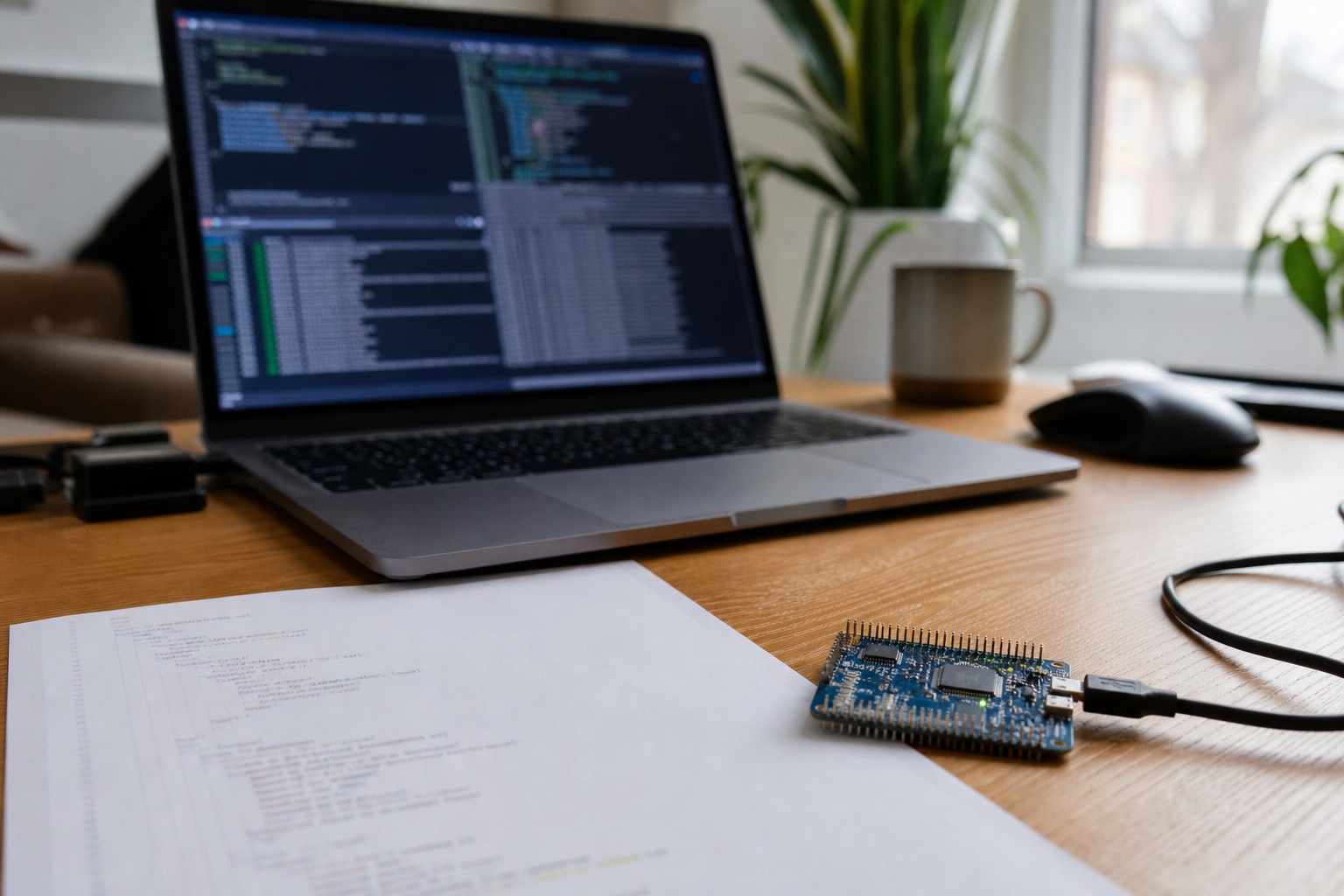
Zephyr West Workspace: A Reproducible Dev Environment in 2024
West workspaces are powerful and under-documented. A setup that works across macOS, Linux, and a CI container with pinned tool versions.
Mar 5, 2024337 views
Microcontroller programming, real-time systems, IoT development, and firmware engineering
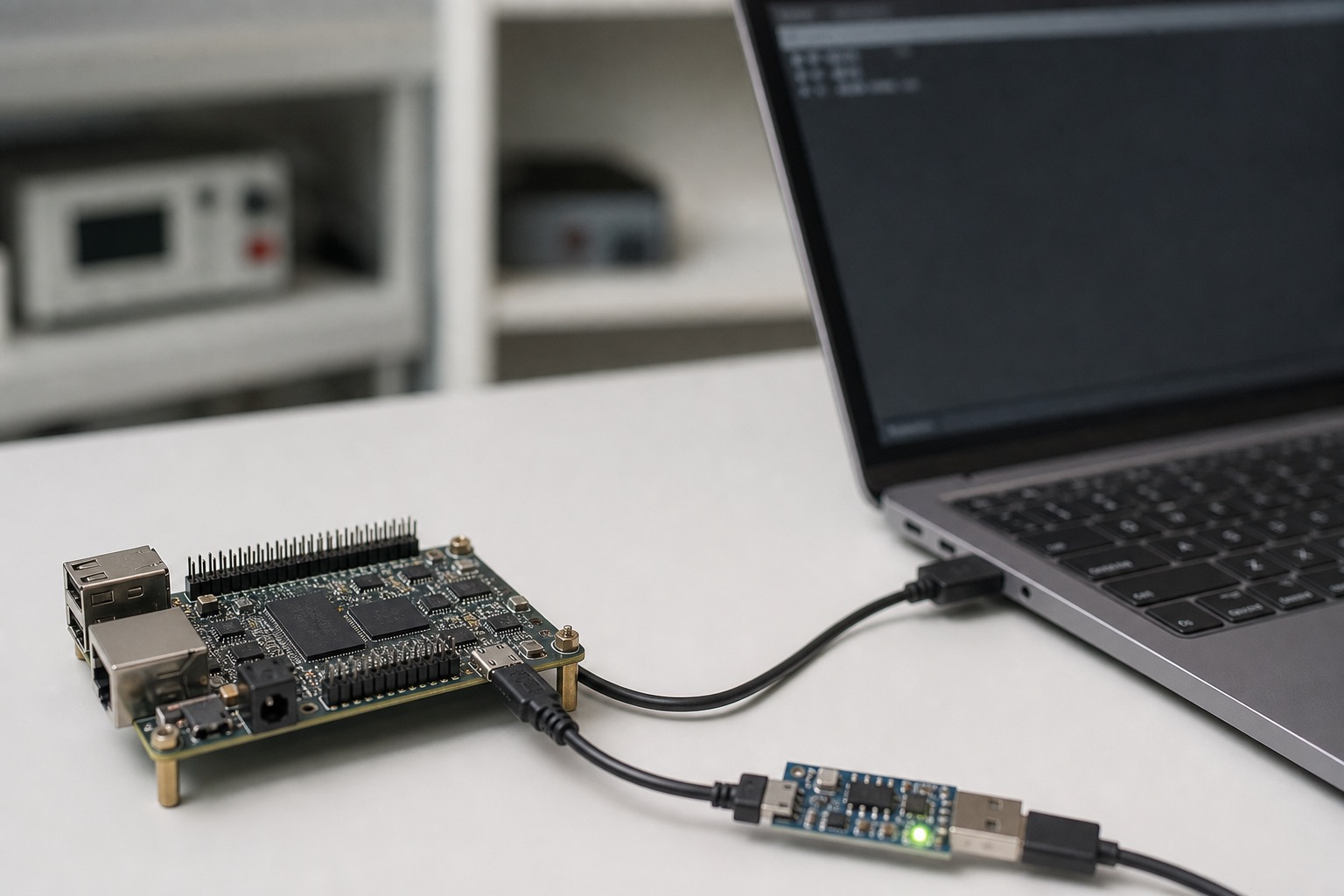
NuttX is the only embedded RTOS I know that takes POSIX seriously. That fidelity has a cost in footprint and build complexity.
West workspaces are powerful and under-documented. A setup that works across macOS, Linux, and a CI container with pinned tool versions.
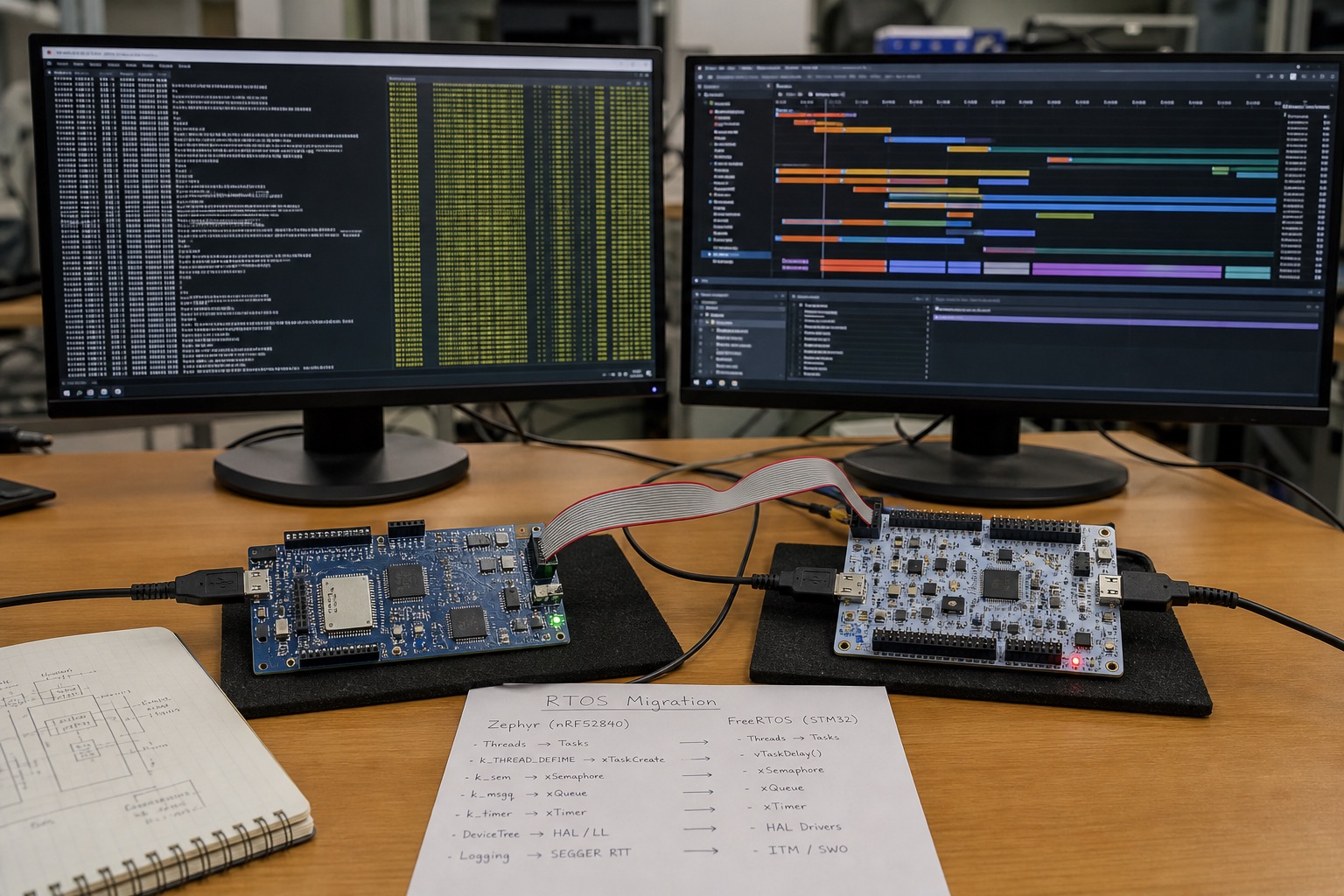
We migrated a mid-complexity sensor hub from FreeRTOS 10 to Zephyr 3.4. The scheduler semantics differ more than the docs admit.
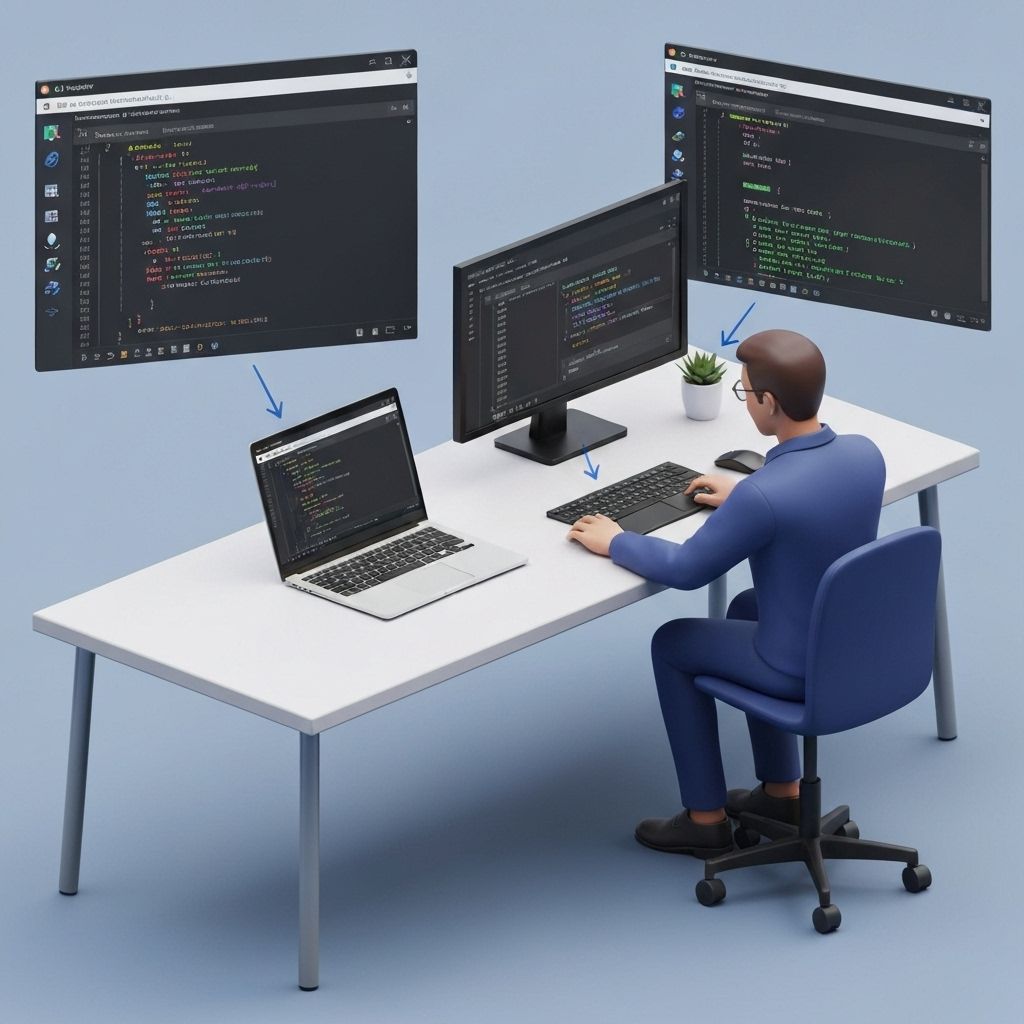
Comprehensive comparison of FreeRTOS and Zephyr RTOS for embedded applications, including memory usage, real-time performance, and development ecosystem analysis.
Complete guide to designing IoT sensors that run for years on a single battery using advanced power management techniques and energy harvesting.
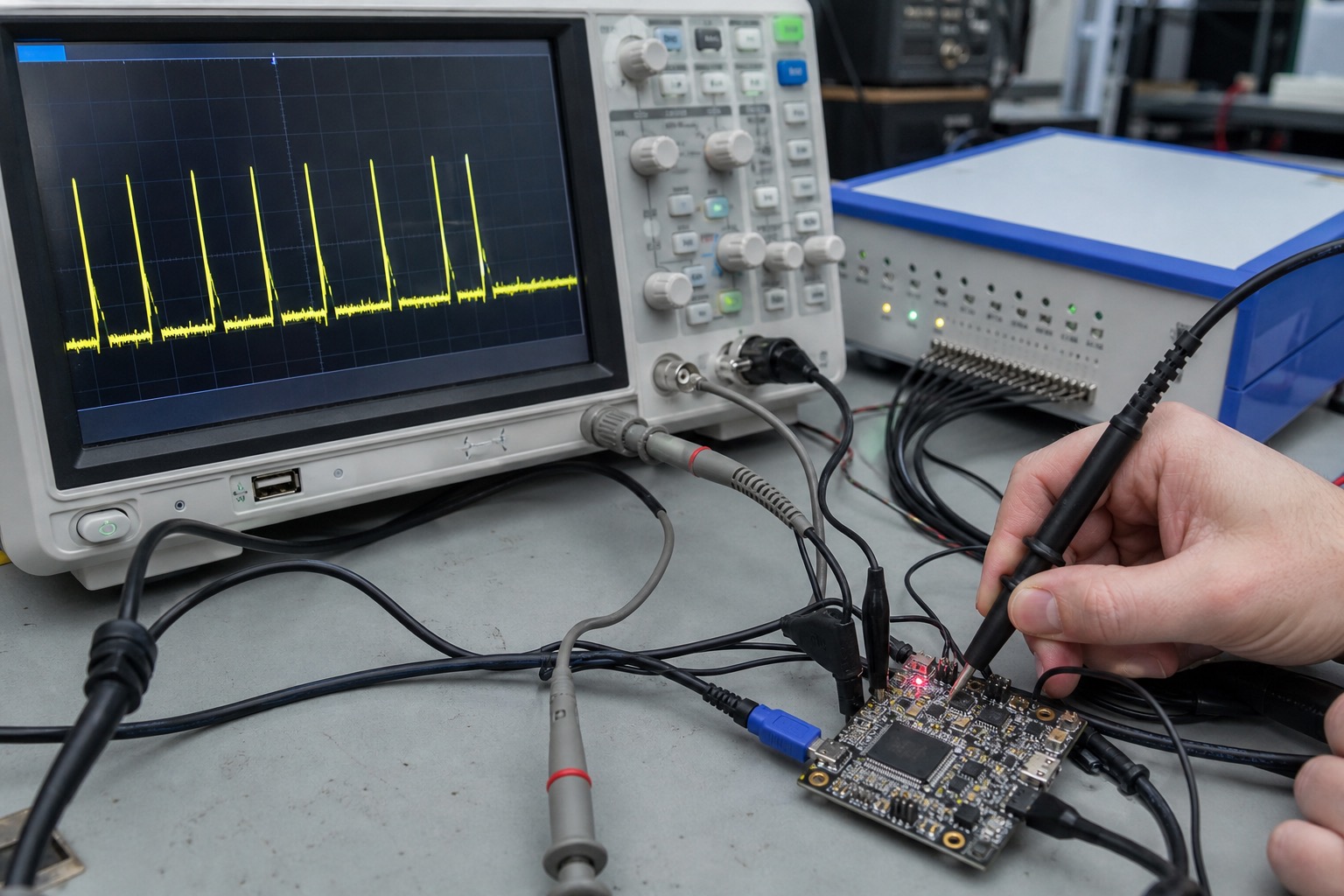
Zephyr's interrupt handling adds overhead over bare-metal. Measuring that overhead on nRF5340 with a GPIO toggle and a scope reveals the real numbers.
Learn to develop a secure bootloader for ARM Cortex-M microcontrollers with encrypted firmware updates, rollback protection, and fail-safe recovery mechanisms.
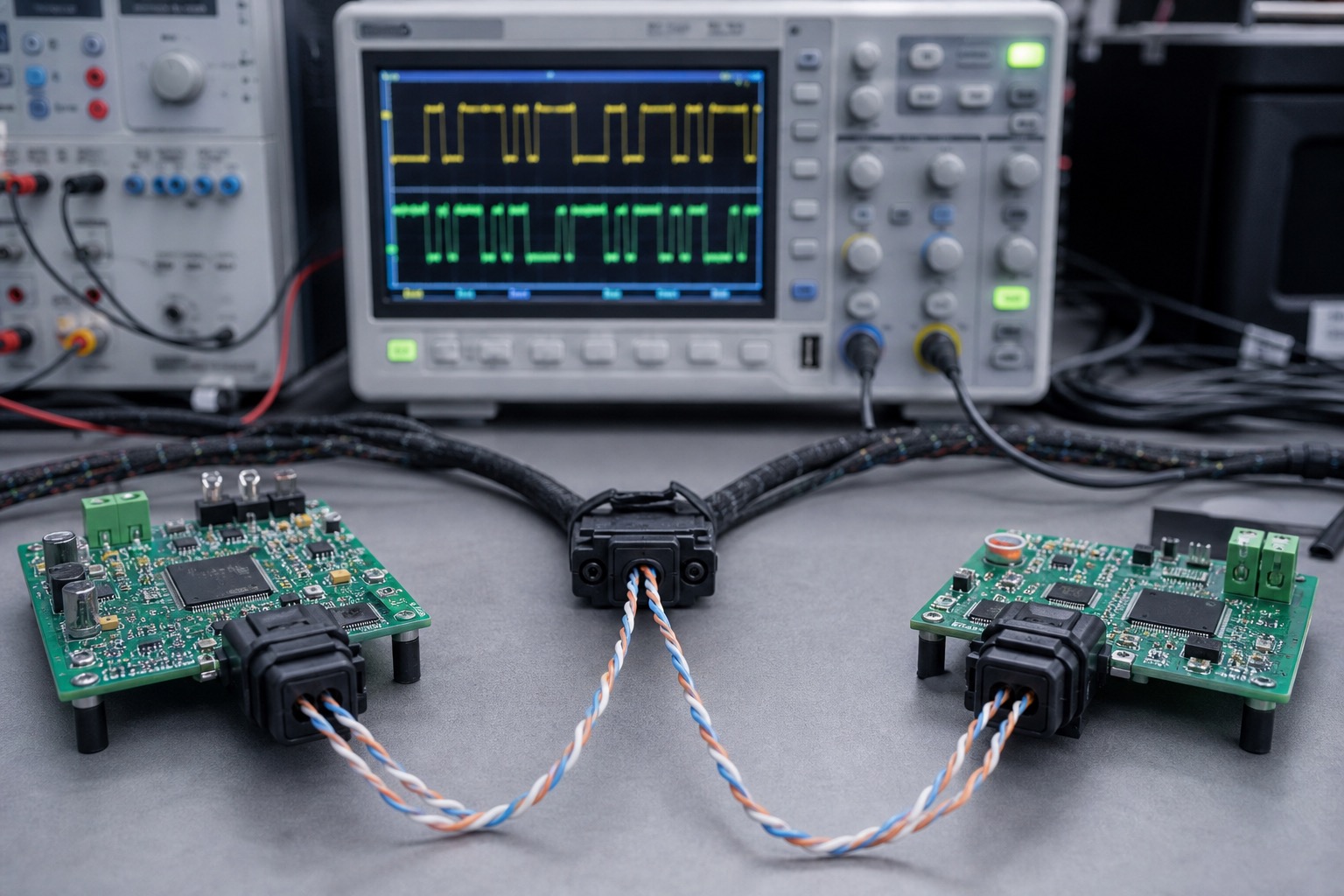
CAN FD doubles the data phase bitrate and extends the payload to 64 bytes. The transceiver choice and EMC implications follow from those two facts in non-obvious ways.
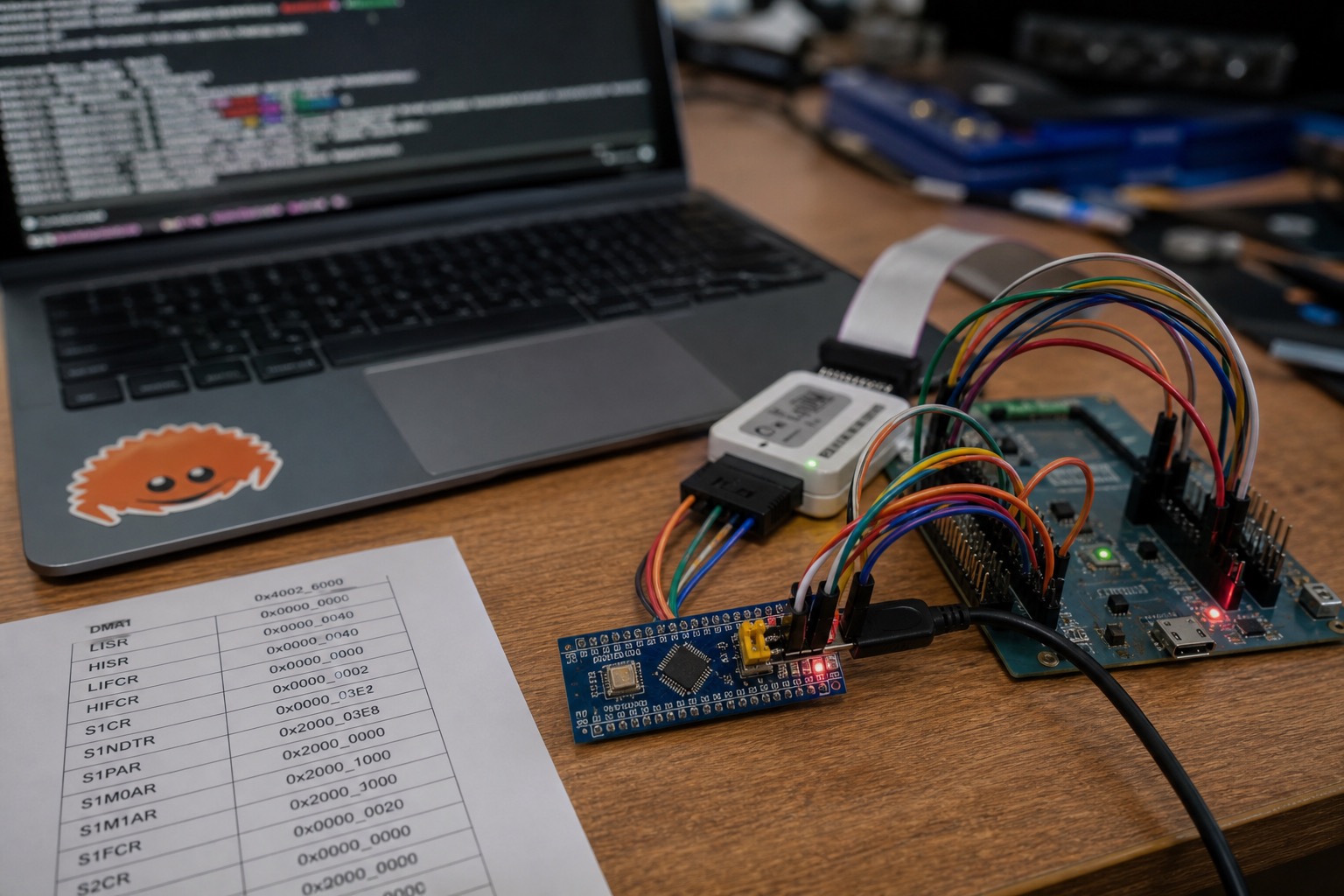
Getting DMA transfers working in a no_std Rust environment on Cortex-M is straightforward until it isn't. Memory ownership and interrupt safety are the hard parts.
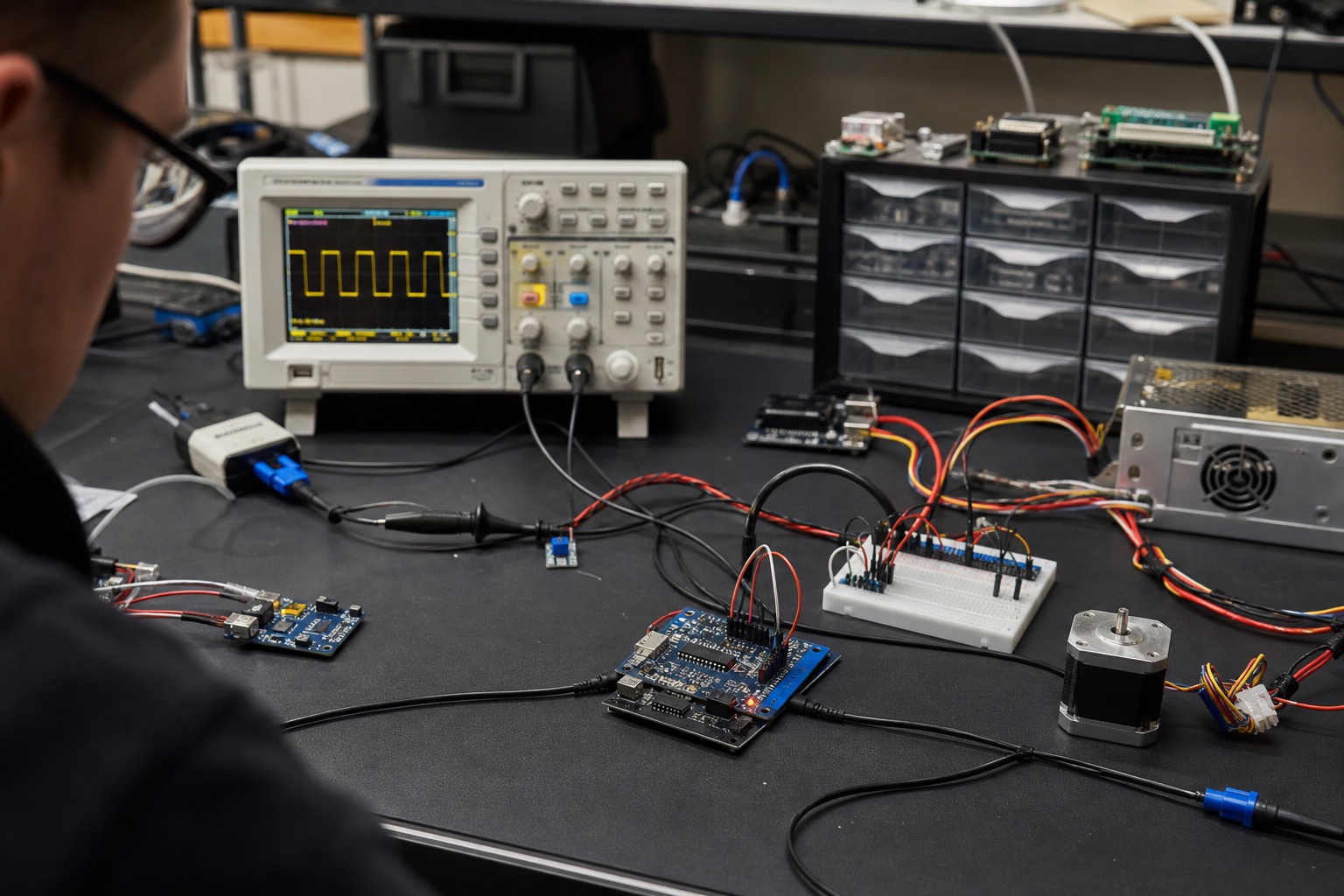
Running firmware CI without hardware-in-the-loop tests is incomplete. A QEMU + real-hardware hybrid pipeline that doesn't require a $10,000 test rack.
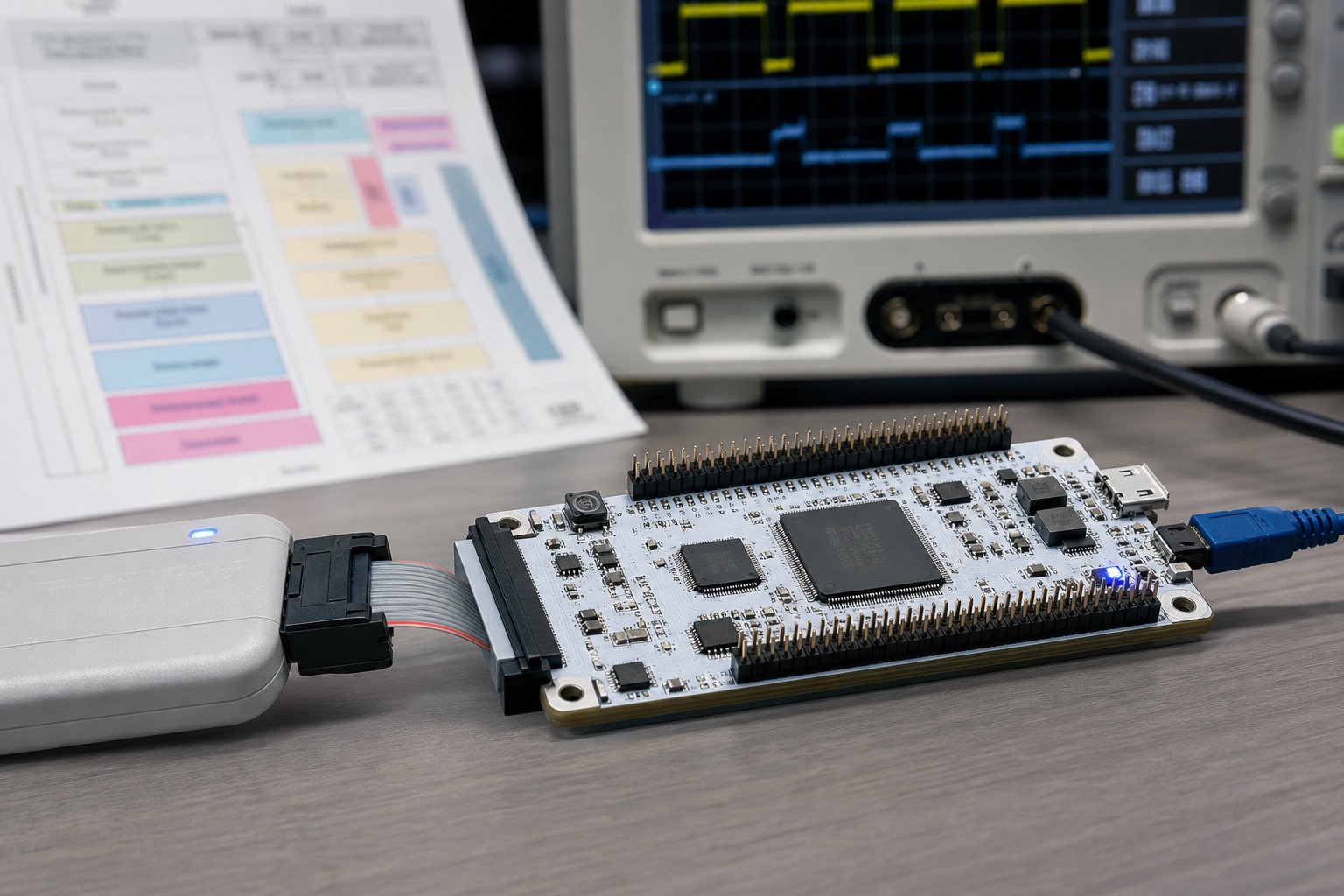
D-cache on the H7 will silently corrupt your DMA buffers unless you align and flush correctly. Here is exactly where I got burned.
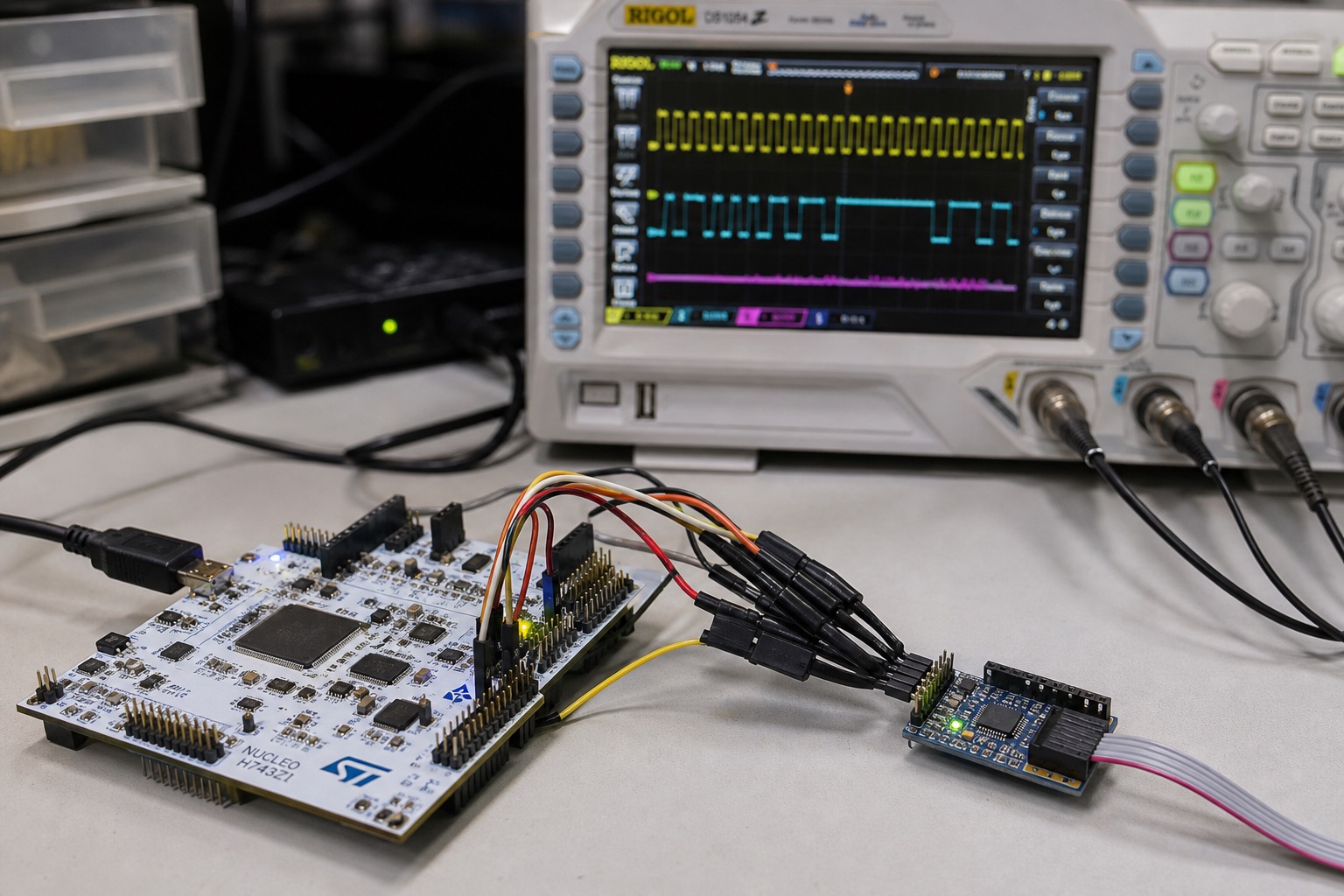
A week of false leads ended in one NVIC priority inversion and a lesson about completion interrupts I won't forget.