

Electronics
Mini Self-Balancing Robot
A miniature two-wheeled self-balancing robot using a XIAO ESP32C3, an MPU6050 gyro/accelerometer, and 3V gear motors.
3 min read4684
Arduino, ESP32, circuit design, sensors, and embedded systems — published from the CMS and updated through Admin → Content.
A miniature two-wheeled self-balancing robot using a XIAO ESP32C3, an MPU6050 gyro/accelerometer, and 3V gear motors.
A STEM kit for building a small catapult (stone thrower) that can be controlled by a Micro:bit or ESP32 board, using servos and sensors.
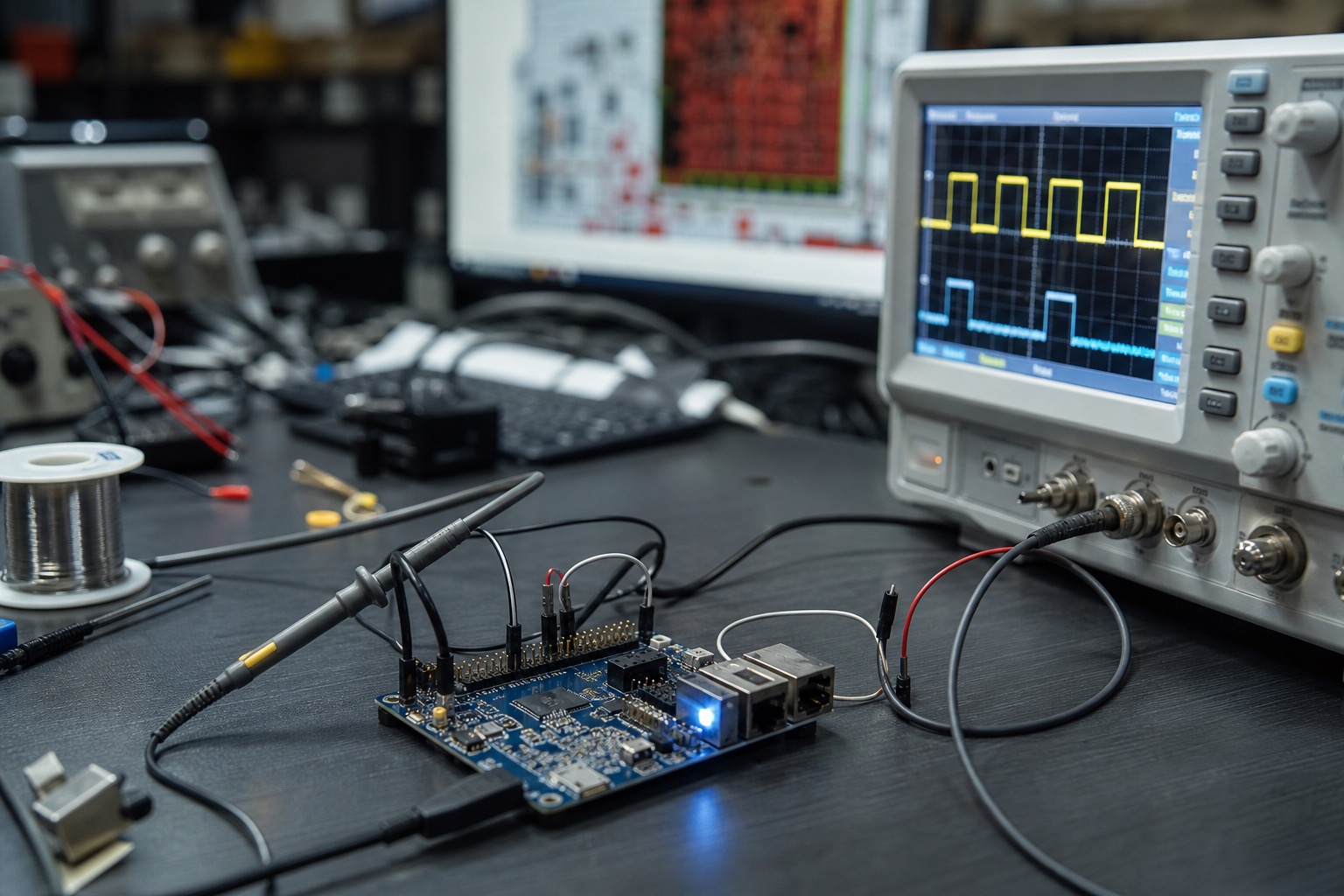
Altium's perpetual license cost is hard to justify for intermittent consultancy work. KiCad 8's hierarchical schematic and constraint manager close most of the gap.
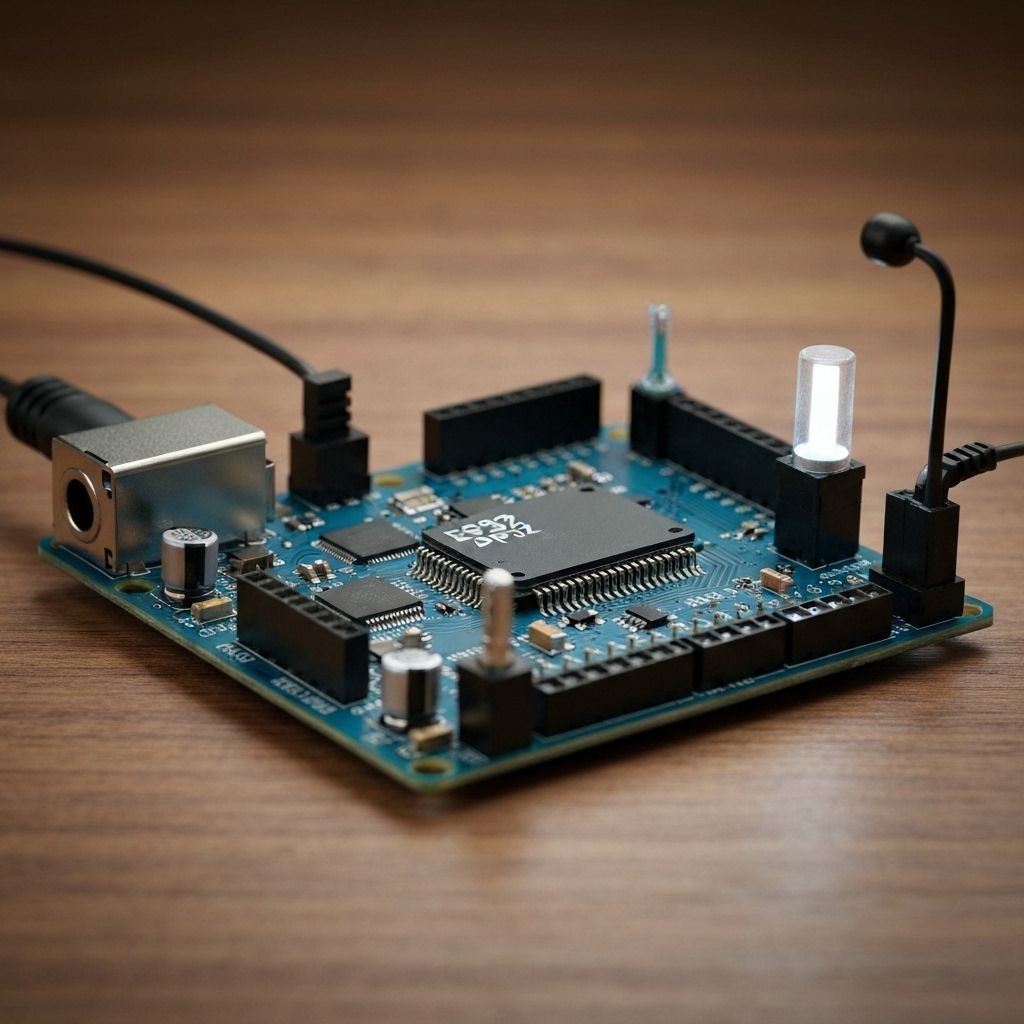
Complete guide to creating a real-time IoT dashboard that monitors temperature, humidity, and motion sensors using ESP32 microcontrollers and a modern React frontend.
Master the art of high-speed PCB design with comprehensive coverage of signal integrity, power distribution, EMI reduction, and advanced routing techniques for modern digital systems.
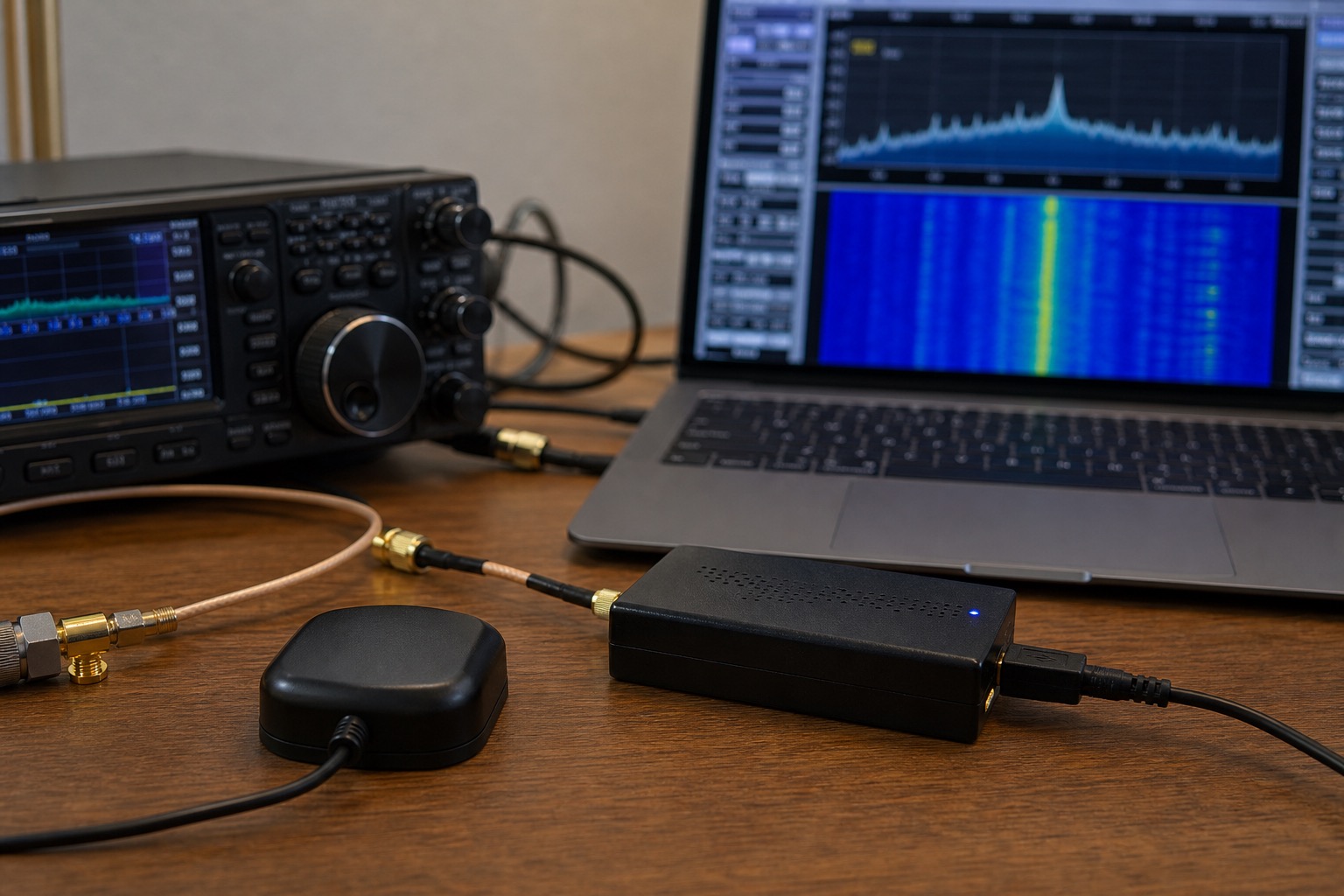
A RTL-SDR v4 plus a cheap active GPS antenna can discipline a local oscillator to sub-microsecond accuracy. The software stack is the hard part.
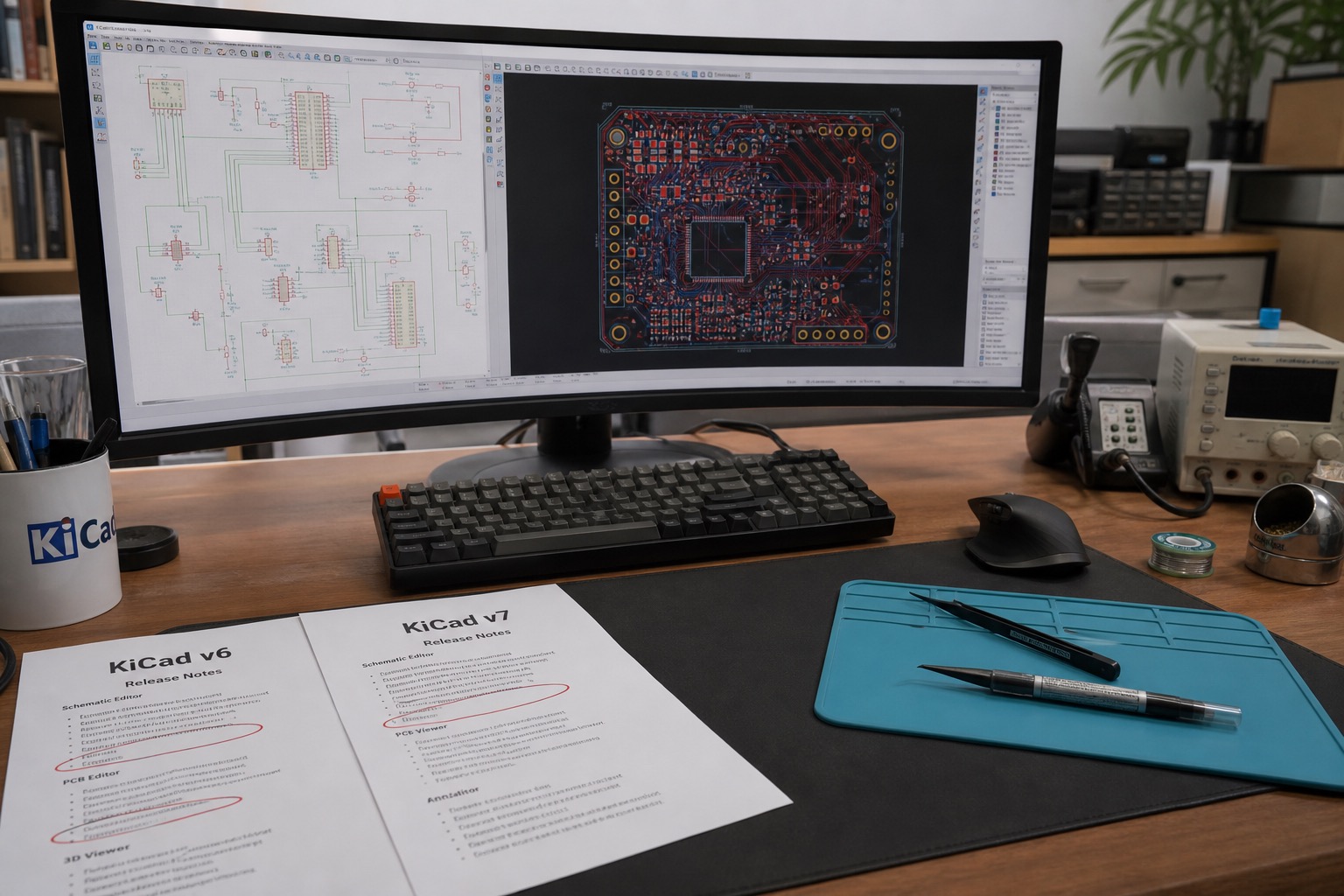
The new constraint engine and interactive router improvements in KiCad 7 are real productivity wins. The footprint wizard regressions are equally real.
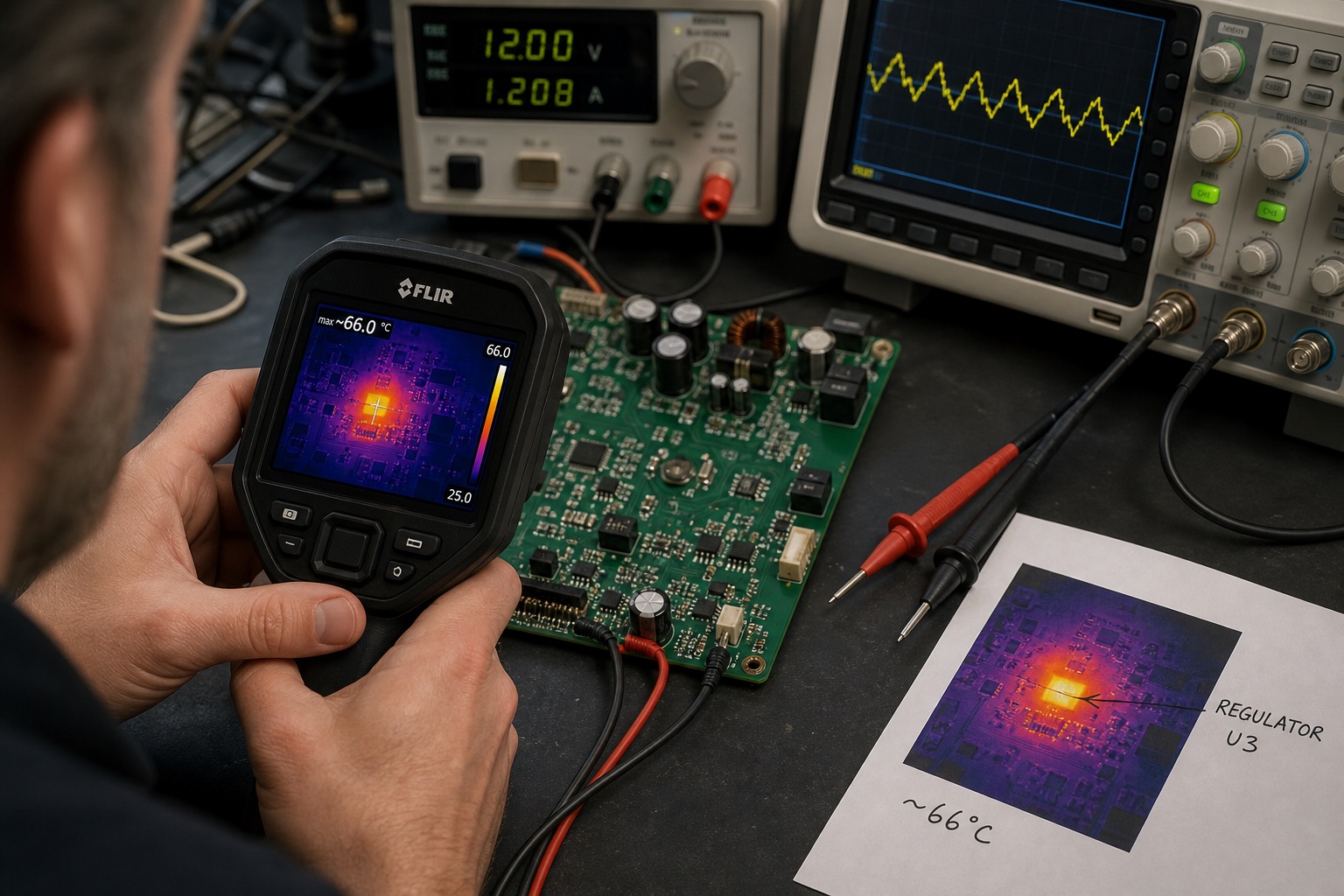
A $300 thermal camera paid for itself in the first week. Hotspots, bad solder joints, and a regulator running 40°C above its expected temperature.
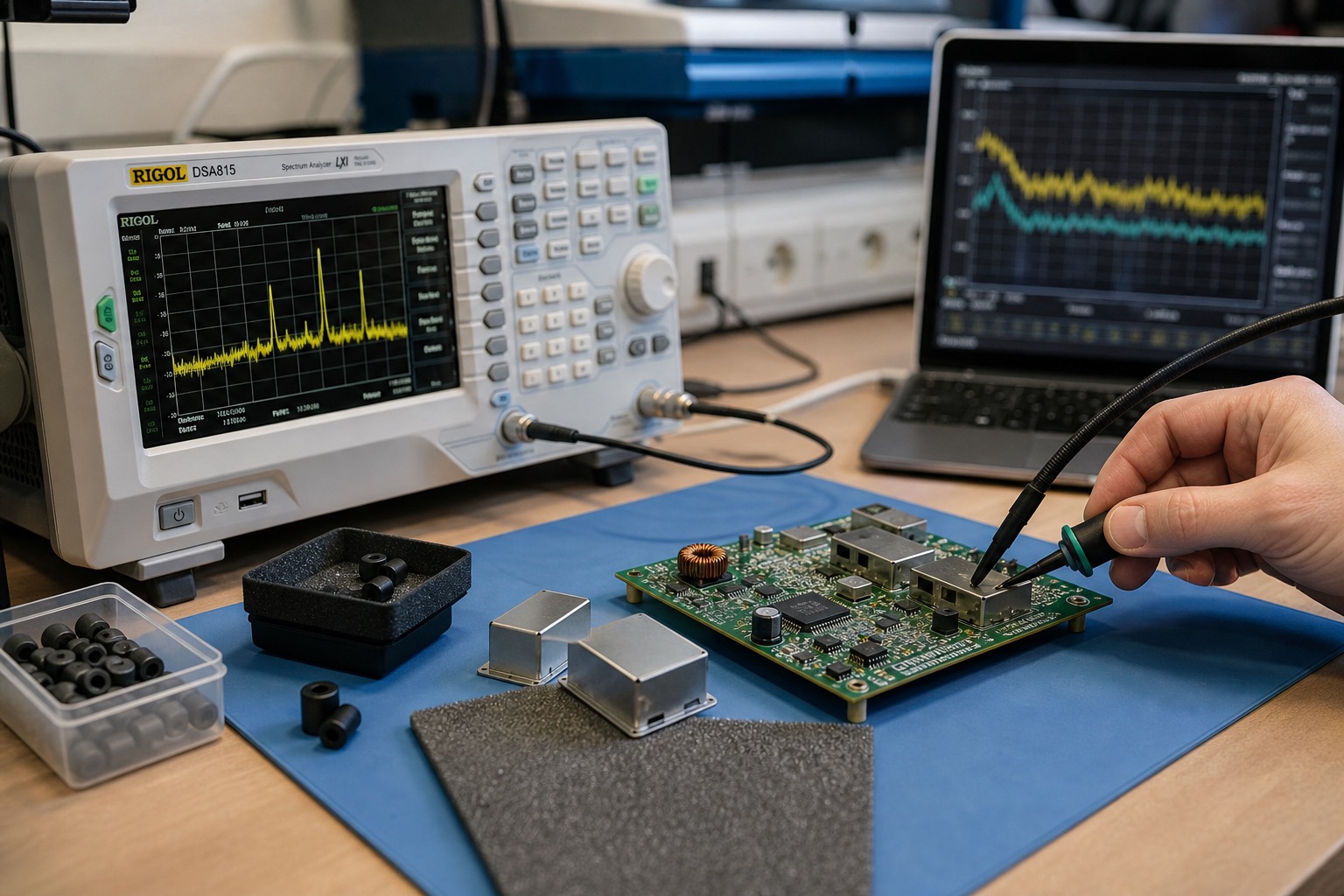
Pre-compliance EMI testing with a $400 SDR and a near-field probe set tells you more than you'd expect — and less than you need for a formal chamber test.
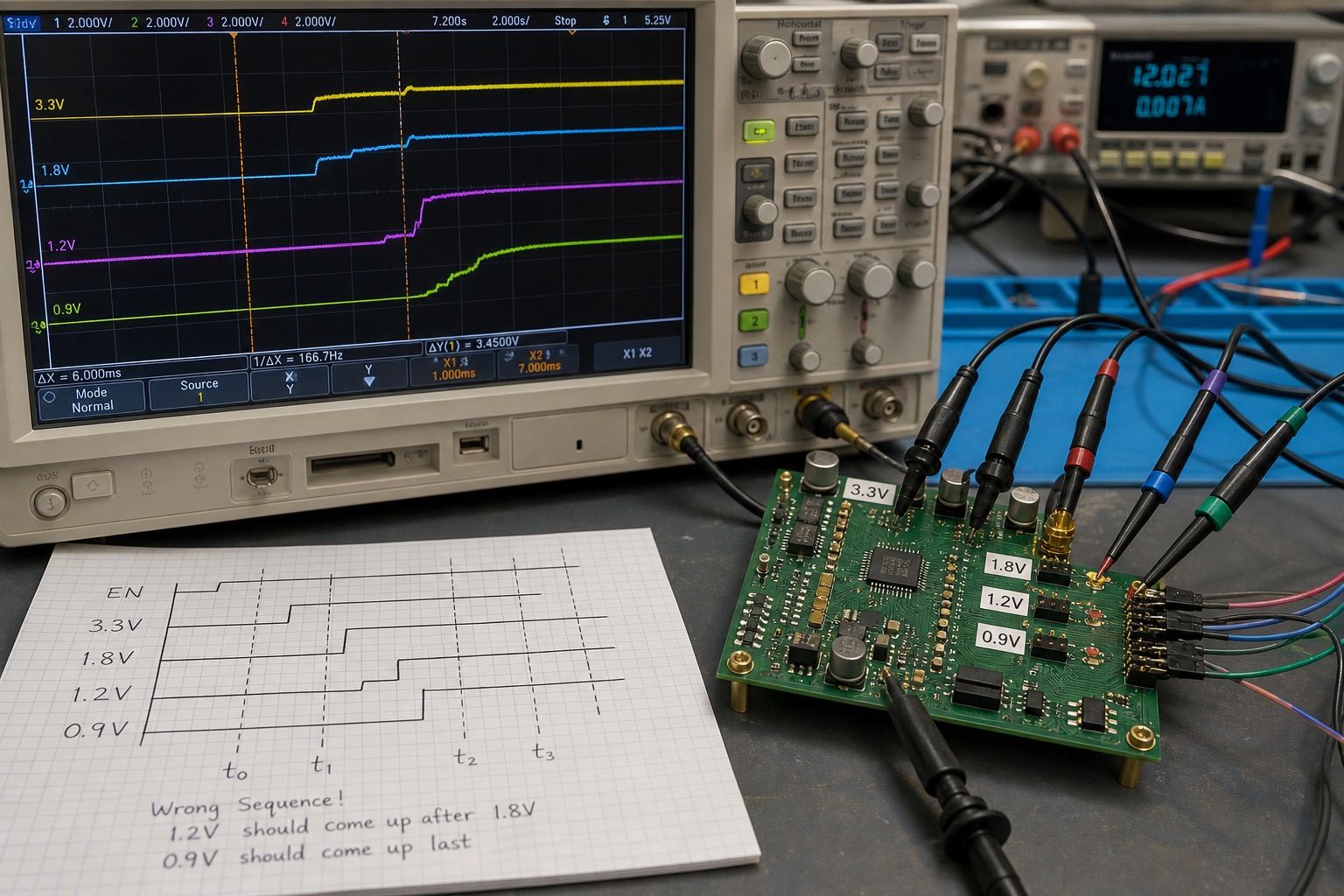
A processor that sees its I/O rails before its core rail will latch up. Hard to reproduce, catastrophic in production. A methodical approach to sequencing.
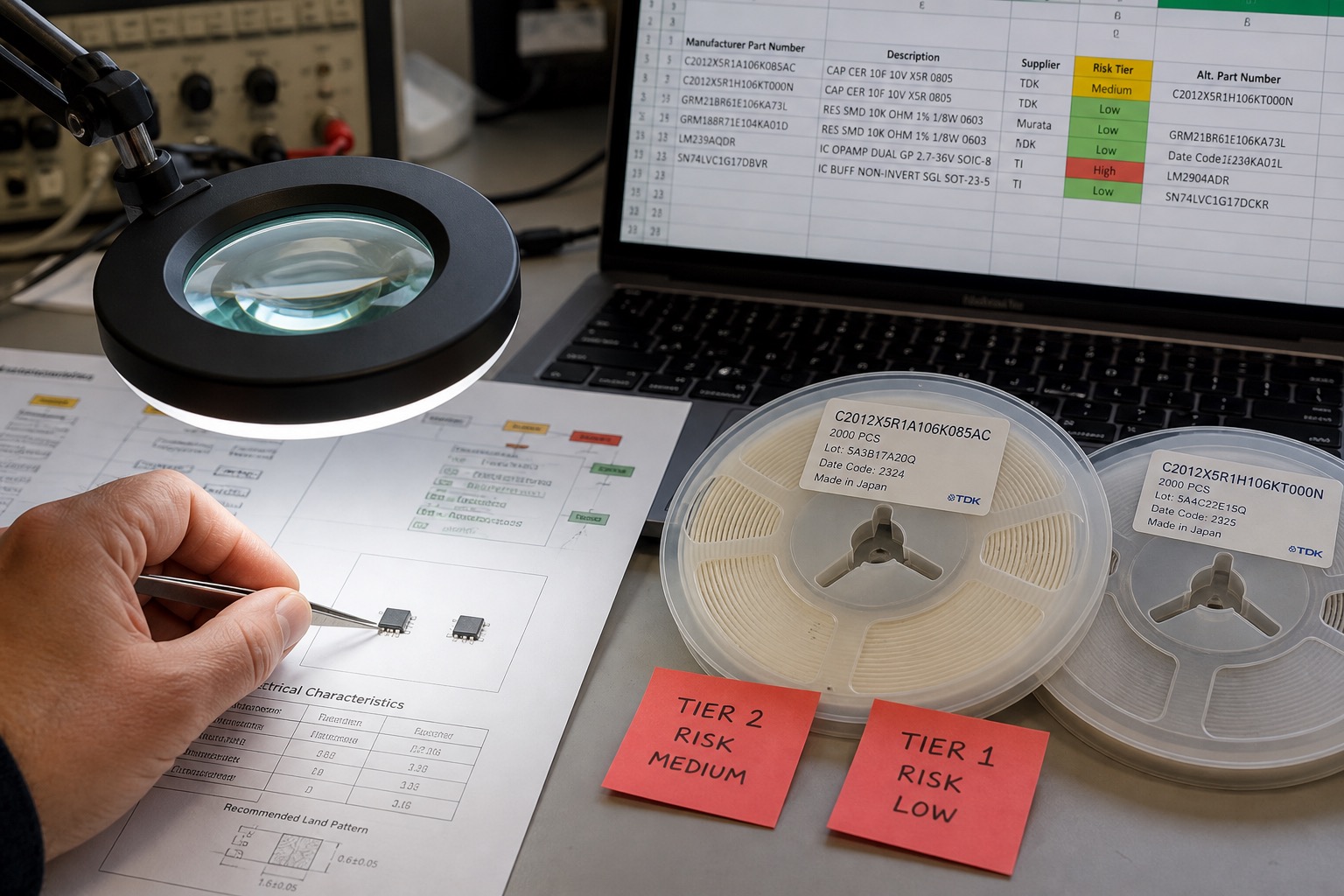
2021–2022 forced every hardware team I know to substitute components. The ones that shipped without quality escapes were methodical about it. Here is the tier system we used.
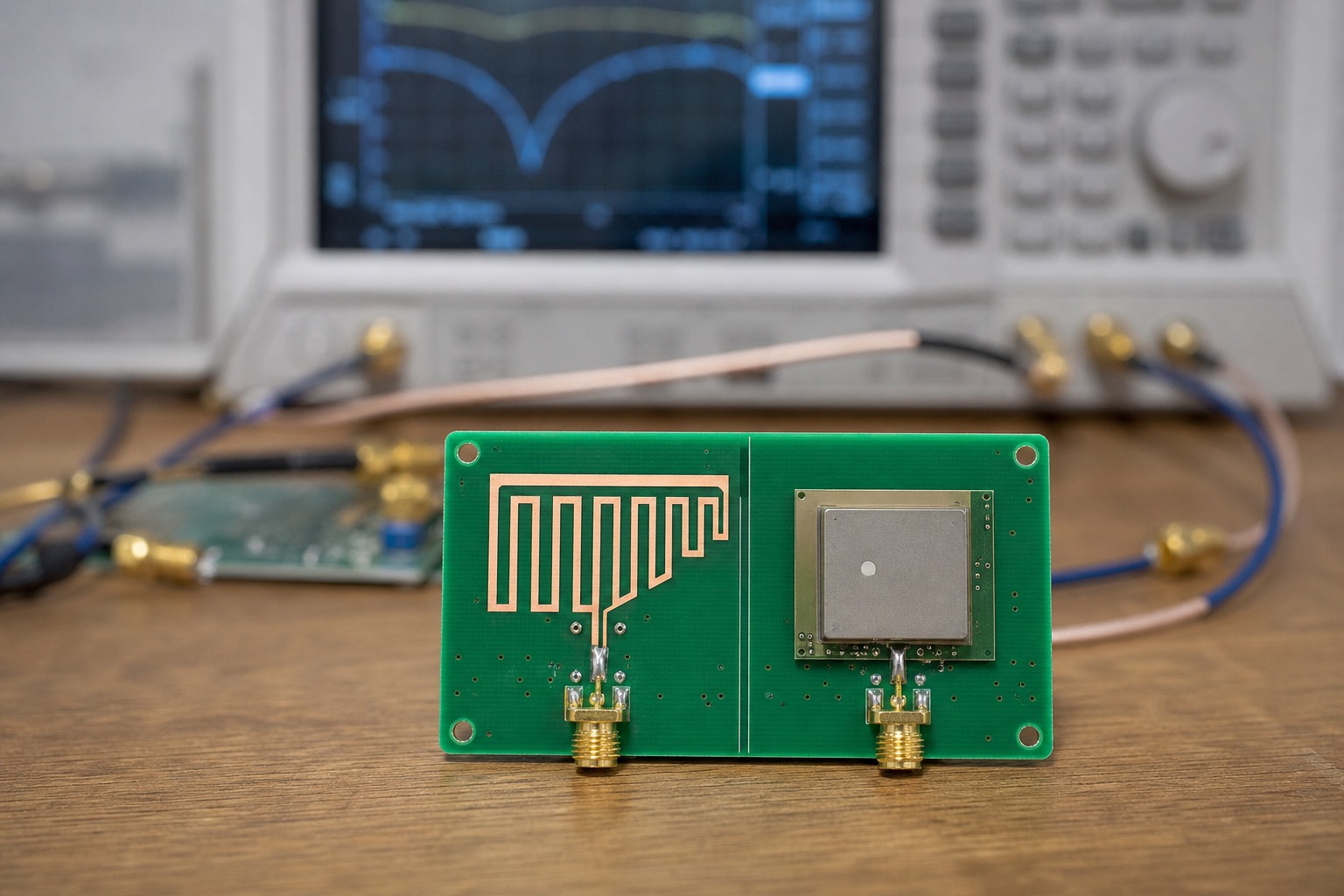
A chip antenna is $0.15 and works if you follow the clearance rules. A PCB trace antenna is free and performs comparably if your manufacturer holds 5-mil tolerance. The comparison from a real product.
Electromagnet chessboard with sensor grid and AI chess engine.
Fire and smoke detection system with MQ-2 sensor, flame sensor, and buzzer alarm.
Mobile robot with MQ gas sensors, GPS, and GSM for gas leak detection and alerts.
A coaster that senses cup temperature via TMP006 sensor and displays LED feedback.
Build a remote-controlled boat with Arduino, motor driver, and servo for steering.
An IoT device that monitors a plant's soil moisture and other environmental conditions, sending data to a database like InfluxDB for remote viewing.
A personal health device that measures heart rate and blood oxygen saturation (SpO2) using a pulse oximeter sensor and displays the data on an OLED screen.
An IoT door lock system that uses an ESP8266, a solenoid lock, and a biometric sensor for secure, keyless entry.
A DIY smart mirror that displays information like time, weather, and news. It uses a Raspberry Pi, a monitor, and a two-way mirror.
An IoT car that can be remotely controlled at high speed via a smartphone, using a NodeMCU for Wi-Fi connectivity.
A 3D-printed crawling spider robot that uses an Arduino Nano and 12 servo motors to achieve life-like walking movements.