Gas Leakage Bot
Mobile robot with MQ gas sensors, GPS, and GSM for gas leak detection and alerts.
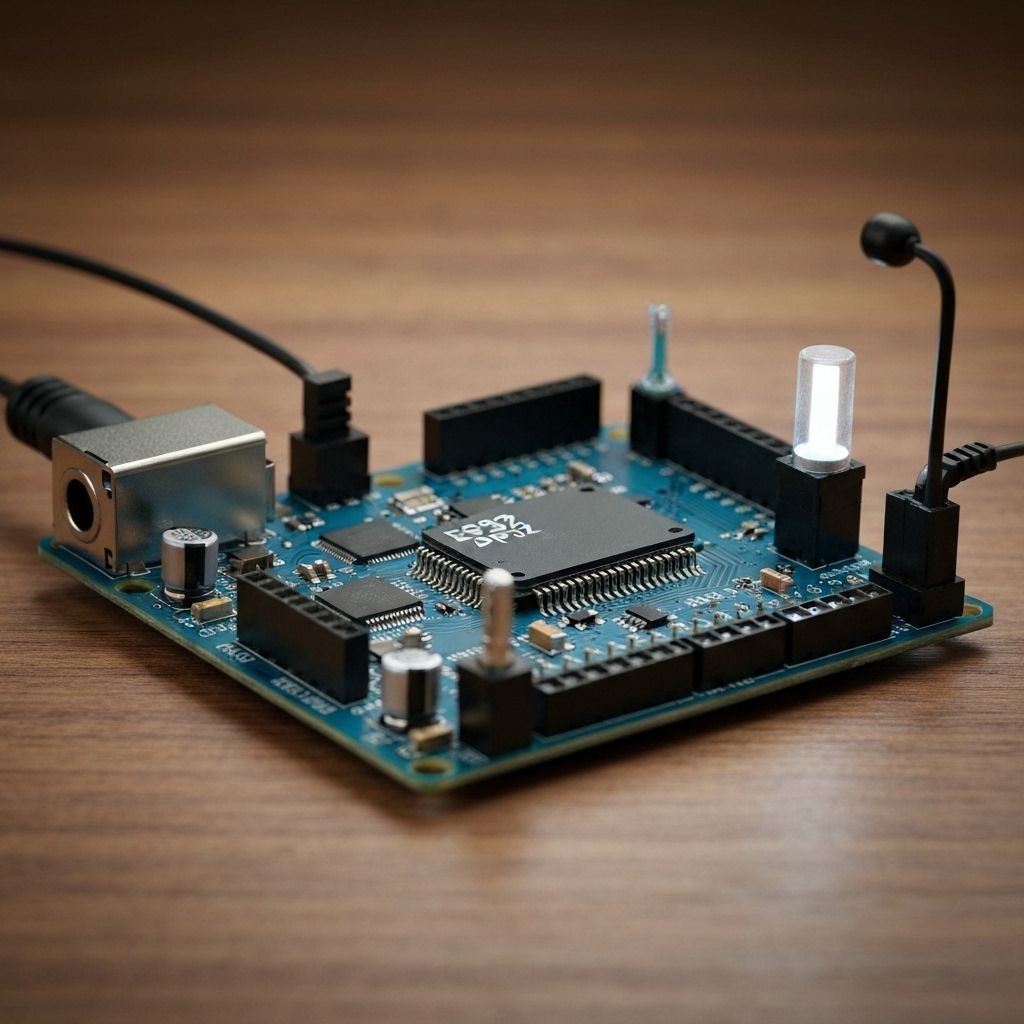
Project Overview
Mobile robot with MQ gas sensors, GPS, and GSM for gas leak detection and alerts.
Bill of Materials (BOM)
- A mobile robot chassis
- a microcontroller
- MQ series gas sensors (e.g.
- MQ-5 for LPG/Natural Gas)
- a GPS module for location tracking
- and a GSM/Wi-Fi module for sending mobile alerts.
Circuit Diagram & Component Arrangement
Follow the wiring diagram below. Each component connects to specific pins on the microcontroller. Use a breadboard for prototyping and ensure all connections are secure before powering on.
Wiring Summary: Gas sensors are connected to the microcontroller's analog pins. The GPS module connects via UART (TX/RX pins). When gas levels exceed a threshold, the microcontroller uses the GSM/Wi-Fi module to send an alert with GPS coordinates.
Step-by-Step Procedure
- Step 1 - Prepare Components: Gather all components from the BOM. Inspect for damage and verify ratings.
- Step 2 - Breadboard Layout: Place the microcontroller on the breadboard. Arrange components for clear wiring paths.
- Step 3 - Power Connections: Connect VCC and GND first. Ensure proper polarity for polarized components.
- Step 4 - Signal Wiring: Connect sensors and actuators per the wiring table. Double-check pin assignments.
- Step 5 - Upload Code: Connect USB, load the sketch, and upload. Verify serial output if applicable.
- Step 6 - Test & Calibrate: Power on and test each function. Calibrate sensors if needed.
- Step 7 - Enclosure (Optional): Mount in a 3D-printed or custom enclosure for durability.
Safety Notes
- Always disconnect power before making wiring changes.
- Use appropriate eye protection when soldering.
- Adult supervision is required for makers under 16.
- Do not exceed voltage ratings of components.

Manish Bookreader
Electronics enthusiast, Embedded Systems Expert, Linux/Networking programmer, and Software Engineer passionate about AI, electronics, books, and cooking.