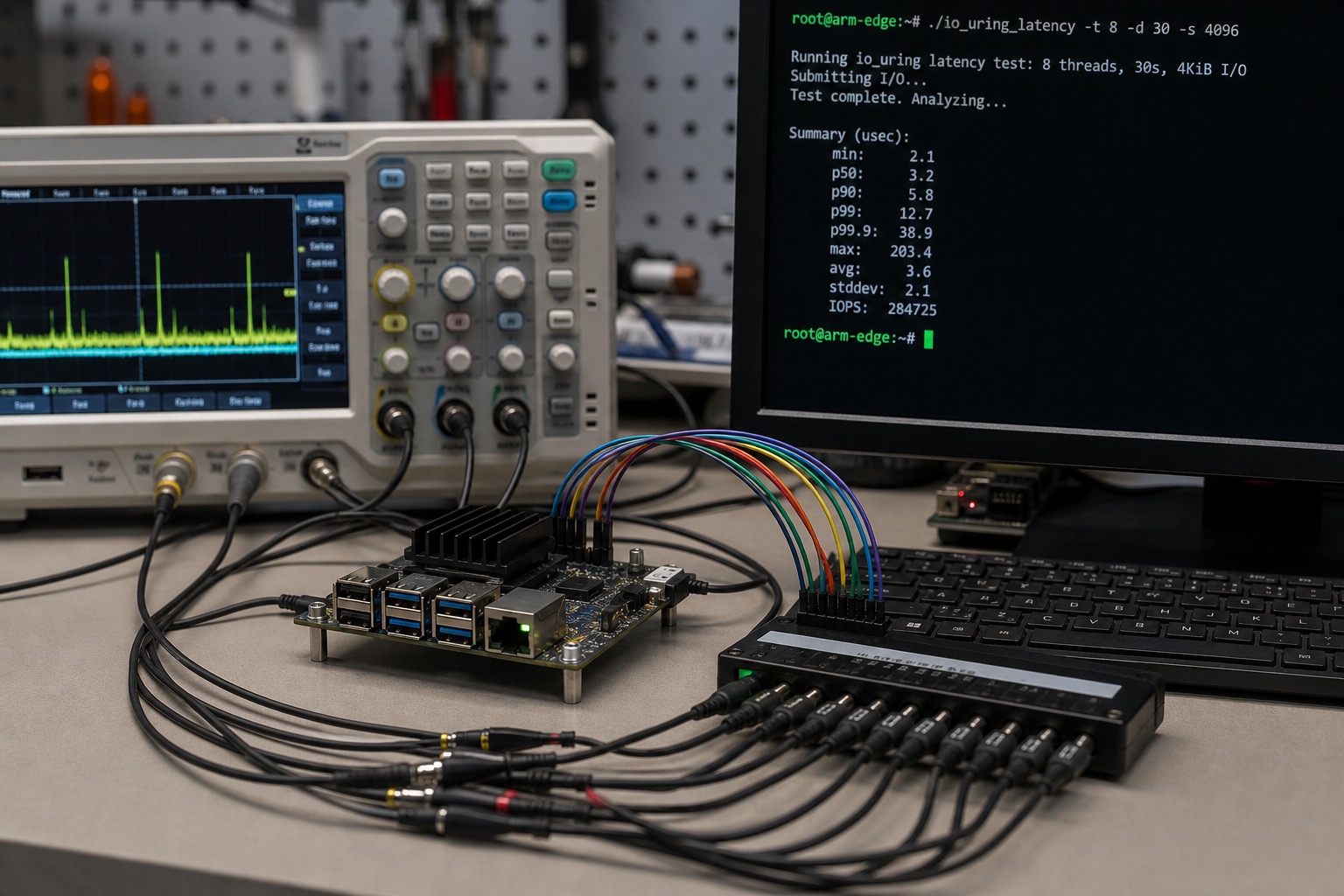
Linux io_uring at the Edge: Latency Profiles on a Cortex-A53
io_uring's submission queue / completion queue model reduces syscall overhead measurably — even on a quad-core A53 at 1.4 GHz with constrained memory bandwidth.
Linux system administration, network programming, server management, and DevOps practices

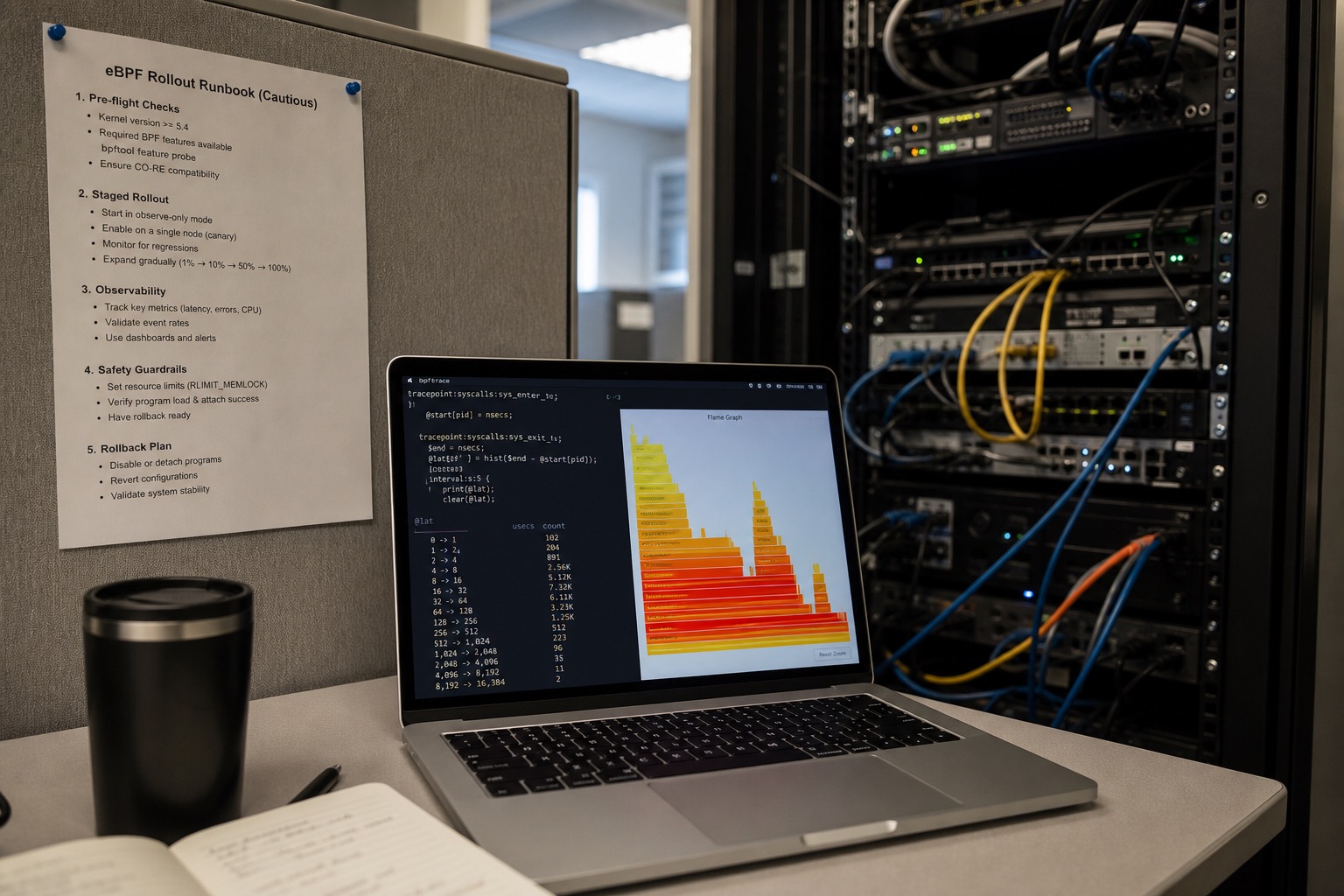
eBPF programs that verify cleanly in CI can still cause latency spikes under specific kernel configurations. An honest account of our partial rollout.

io_uring's submission queue / completion queue model reduces syscall overhead measurably — even on a quad-core A53 at 1.4 GHz with constrained memory bandwidth.

Comprehensive guide to advanced Linux system administration covering performance tuning, security hardening, monitoring, and troubleshooting techniques for production environments.

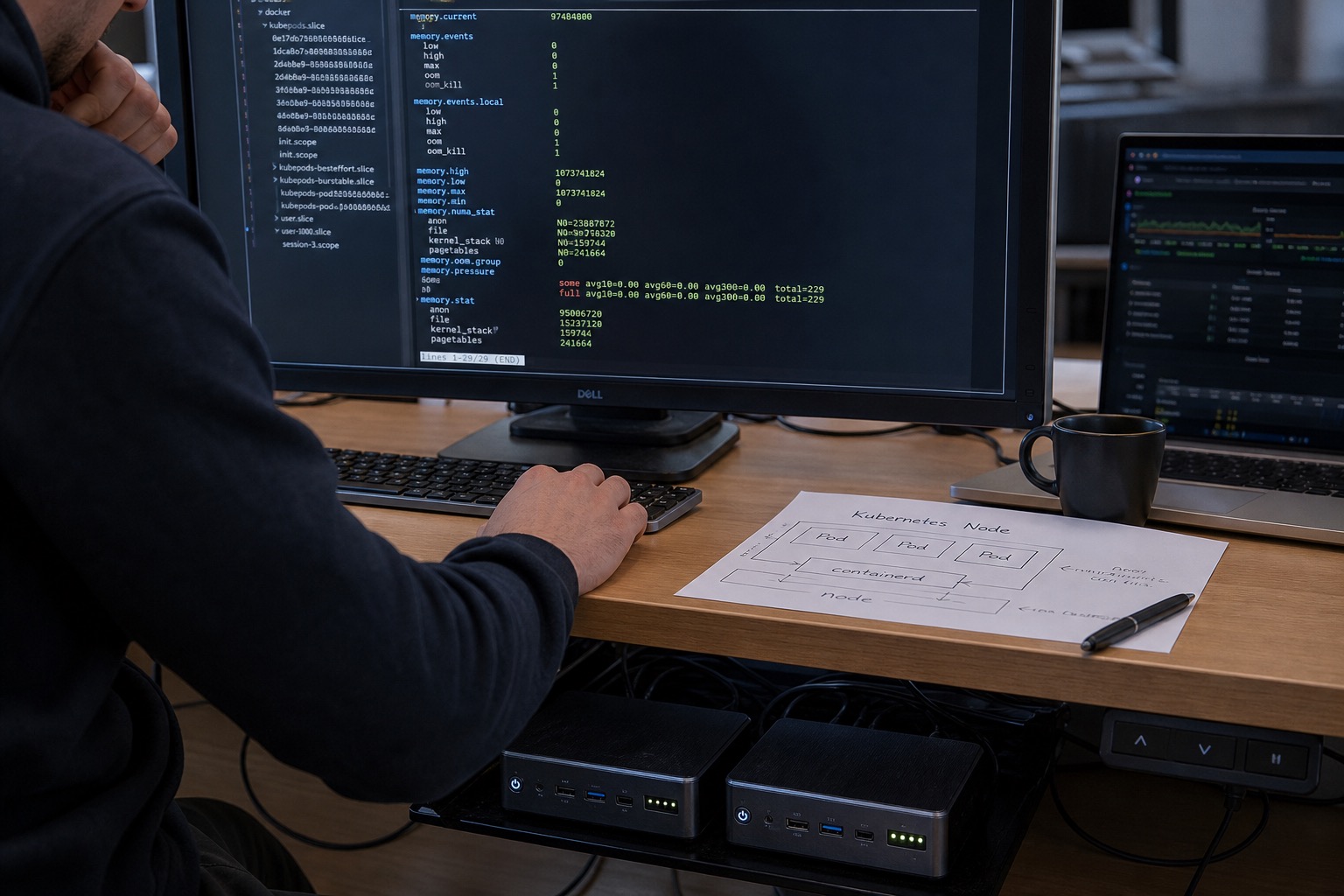
Kubernetes memory limits and cgroups v2 interact in ways that surprise engineers who learned on v1. A precise look at where the accounting differs.

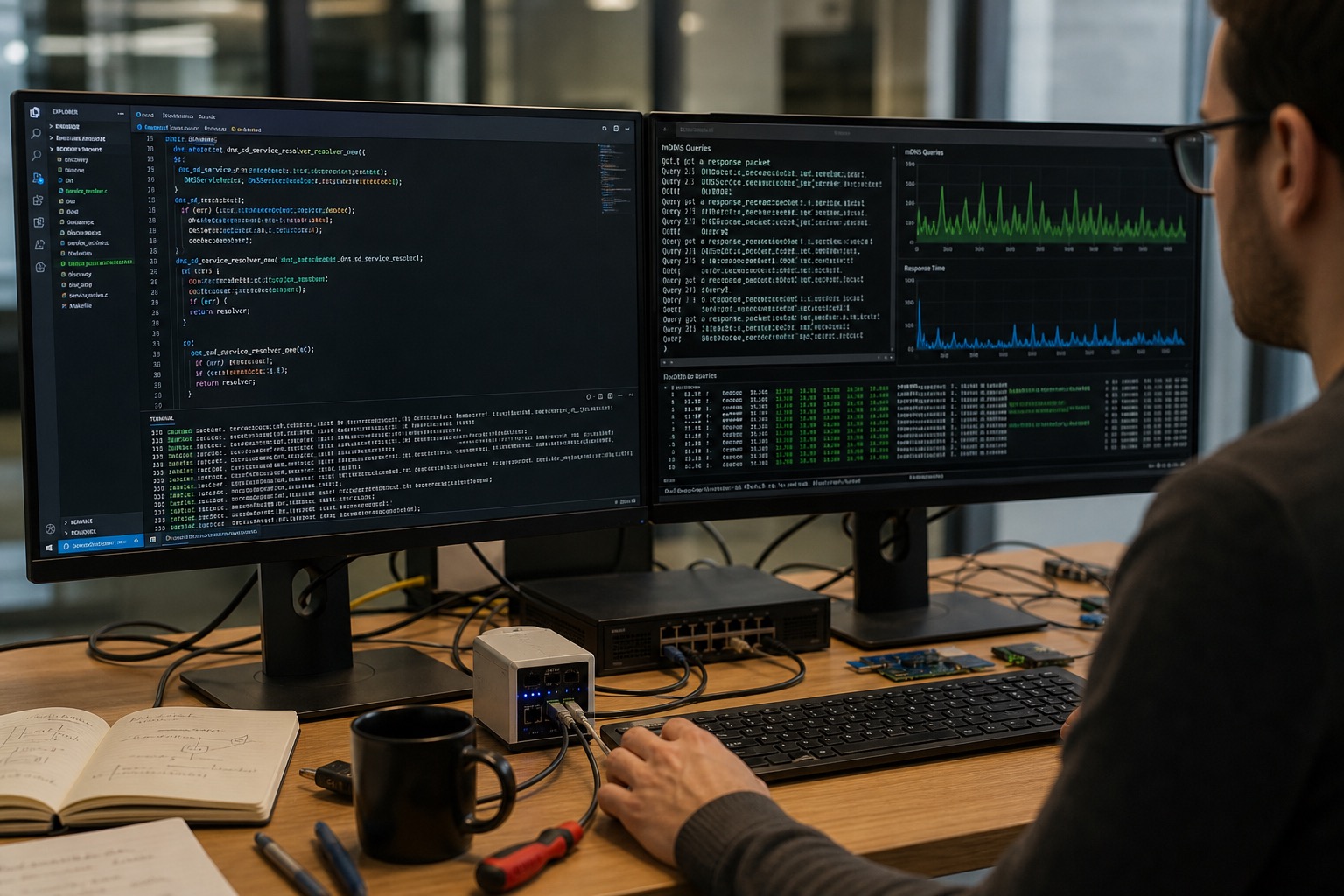
mDNS works well until it doesn't. On a network with 80+ IoT devices all announcing simultaneously after a power cycle, the probing storm is a real problem.

WireGuard is fast and simple until you need to rotate keys without dropping sessions. The cryptokey routing model bites you in ways the man page glosses over.

SQLite on a single-board computer handles 90% of embedded data storage needs elegantly. The 10% that breaks — WAL mode on eMMC with power loss — is worth knowing in advance.

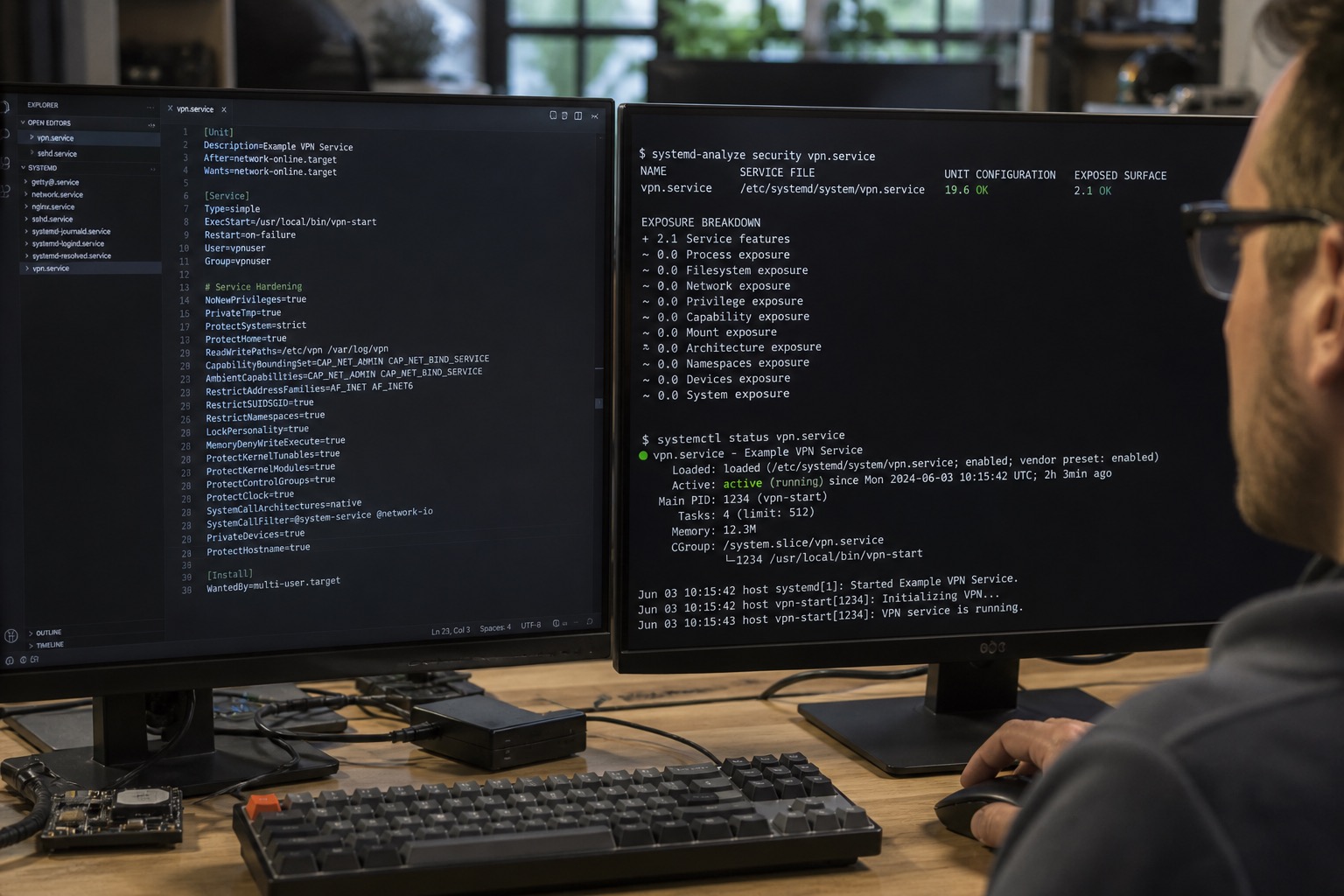
ProtectSystem, PrivateTmp, NoNewPrivileges, CapabilityBoundingSet — which options meaningfully constrain a service and which are theater for the audit report.

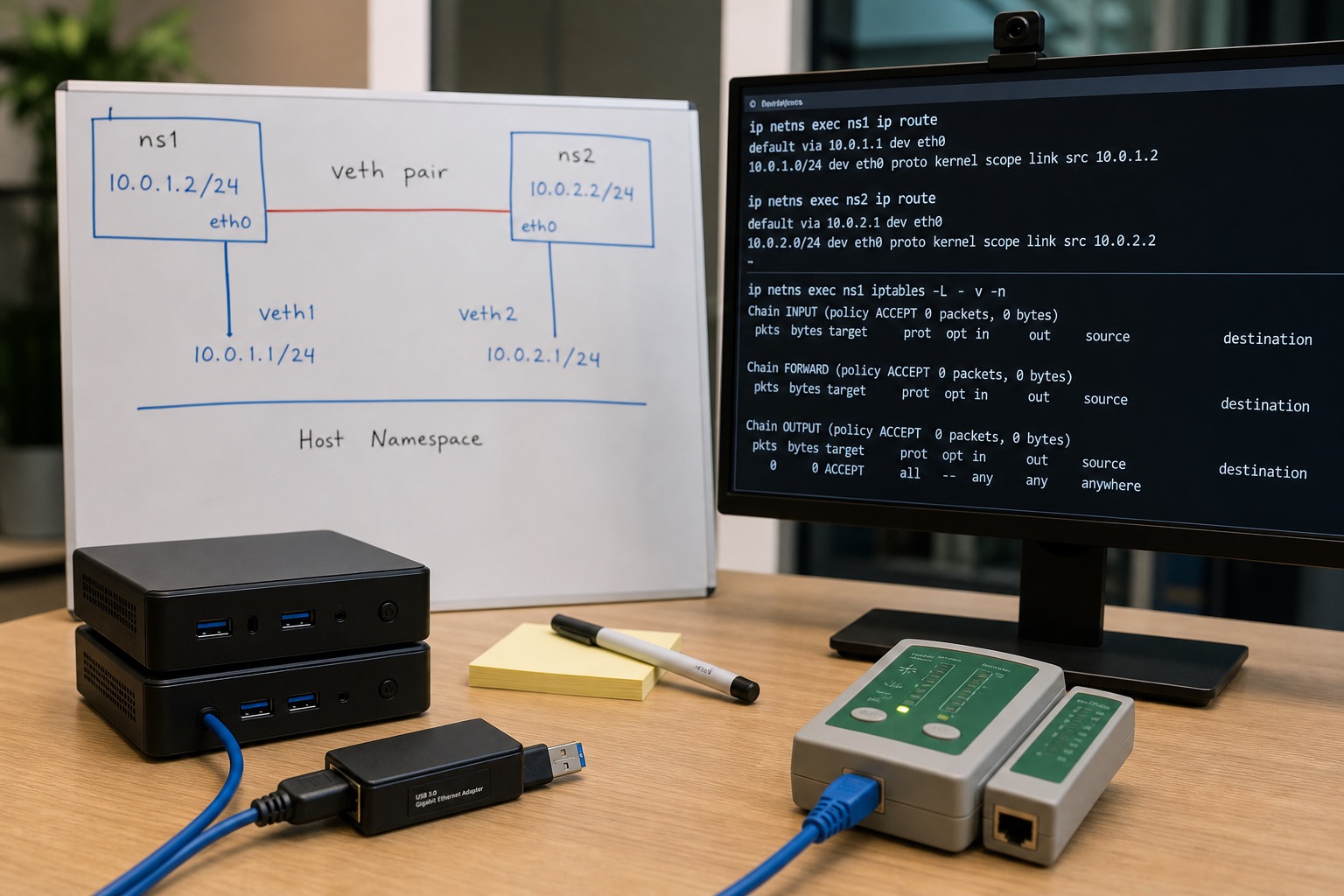
A missing ip_forward sysctl in a nested network namespace wasted an afternoon. A systematic checklist for namespaced routing failures.

Default Linux TCP buffer sizes were designed for 100 Mbps LANs. On 10G links with high concurrency, the defaults leave performance on the table. The parameters that matter.